Choose a prom dress color by trying a small set of shades in actual dresses, then checking the favorites for fit, movement, lighting, and the cost of finishing the outfit. A prom dress color quiz can suggest somewhere to begin, but it cannot show how blue satin catches a spotlight or whether a pale lining feels secure when you sit down. The useful result is a dress you enjoy wearing through dinner, photographs, and dancing.
Make a three-color shortlist before booking a fitting
Start with one color you already enjoy wearing, one you are curious about, and one alternative. That might be deep blue, emerald, and dusty rose. Look through photographs of your own favorite outfits for clues, paying attention to the color near your face rather than the background or camera filter.
Ask what kind of effect you want. A bright red dress can make the color itself a main feature. A deep navy dress may leave more attention for the shape, jewelry, or fabric. A pale pink dress can feel soft in one fabric and highly reflective in another. Put the actual dress on before deciding which version appeals to you.
Check the event information while making your shortlist. Use the stated dress code and any practical requirements from the organizer. If you want to coordinate with a date or friends, agree on how closely you mean to match: the same broad color family, a small accessory, or an exact shade. Take a fabric sample if one is available; separate phone screens are a poor way to settle a precise match.
Keep your own preference in the decision. Someone else choosing the same color does not make it unavailable to you, and a theme color need not determine the entire outfit unless the event explicitly requires it. If a shade already feels like a compromise before you try the dress, include a favorite color in the fitting so you have a fair comparison.
Compare color with a similar neckline and dress fabric
Two dresses can create very different impressions for reasons that have little to do with their hue. A navy velvet dress absorbs and reflects light differently from a navy sequined dress. A narrow strap leaves more skin visible than a high neckline. If you love one and dislike the other, avoid concluding that navy itself is the answer or the problem.
For useful shopping comparisons, begin with similar shapes and fabrics where you can. Try the blue and green versions of one design, or compare two matte dresses with similar coverage. Then test a different fabric in your favorite shade. This separates the color decision from questions about the silhouette, shine, and how the material moves.
Hold the fabric near your face before changing into every option. Stand in the same spot and compare two at a time. Notice whether you like a strong color against your hair, whether a muted shade feels quieter, or whether the neckline changes the balance. Use your own descriptions. There is no universal rule assigning prom colors by skin tone, eye color, ethnicity, or gender.
A seasonal palette can offer vocabulary, such as muted rose or deep teal, if you find that helpful. It does not certify a dress as suitable for you. Keep a favorite that falls outside the suggested palette in the final comparison. The dress you feel comfortable and expressive in deserves a proper try, even when a quiz points somewhere else.
Check the favorite under daylight and indoor lighting
A fitting-room lamp can make cream look more golden or soften the difference between black and dark blue. If the shop permits it, look near a window or in another part of the store. When buying online, inspect the dress in daylight after it arrives and before making any alteration or removing tags, following the seller's conditions.
Event lighting can shift the appearance again. Colored dance-floor lights may temporarily wash over every dress in the room, so there is little value in seeking a shade that looks identical under all possible conditions. Instead, check that you like the dress in ordinary daylight for arrival photos and in normal indoor light for the evening.
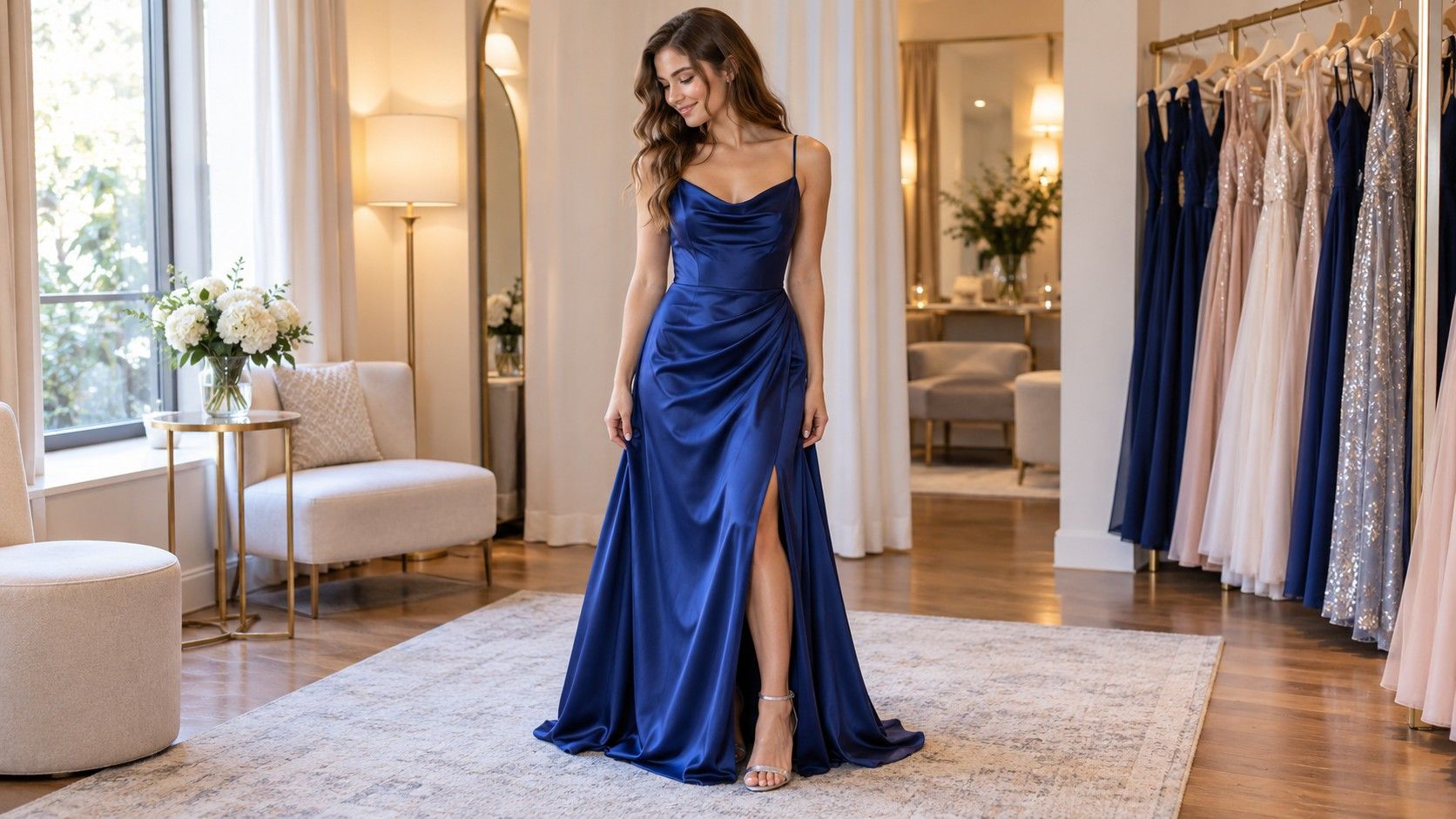
Watch reflective fabrics while moving. Satin can show bright highlights beside deep folds; sequins may sparkle in one direction and appear darker in another. Walk several steps, turn, and sit if the fitting setup allows. If the dress changes dramatically with movement, decide whether that is an effect you enjoy.
For photographs, take a full-length picture and one closer to the face with permission. Avoid filters, keep the camera position consistent, and compare the dresses in the same light. A flash picture can be useful if flash photography is expected and the shop allows it. Check the mirror too, since phone white balance and exposure can alter both the dress and your complexion.
Put fit, lining, and movement ahead of a tiny shade difference
If the choice is between two similar colors, the dress that lets you sit, walk, and dance comfortably usually has the stronger practical case. Sit on a chair rather than judging only while standing. Raise your arms, take a normal stride, and check how the neckline and straps behave. A fitting-room pose should not be the only position in which the dress feels secure.
Look at the lining and opacity in the light you can access. Pale fabrics deserve this check, but dark dresses can have sheer panels or thin sections too. Try the underlayers you expect to wear, subject to the shop's fitting rules. Inspect from the front, side, and back. If the solution requires specialist underwear, include that in the plan before committing to the dress.
Check length with shoes of the intended height. A hem that drags when you step backward needs attention regardless of how much you love the color. Ask a qualified alterations professional what is feasible for that particular construction, especially with beading, layers, or detailed hems. Do not assume a strap adjustment or shortened skirt will be simple just because the change looks small.
Be cautious about buying an uncomfortable dress on the assumption that it will be transformed later. Get an alteration assessment and timing estimate first. Another shade in the right fit may be more enjoyable than the exact shade in a dress you spend the evening adjusting.
Build the whole outfit before deciding what to spend
Set a total budget that includes the dress, any alterations, shoes, underlayers, and accessories you need. Write down actual quotes or listed costs as you obtain them. A dress at the top of the clothing budget may leave no room for a necessary hem adjustment. Prices vary, so compare the complete outfit costs rather than relying on a general idea of what alterations ought to cost.
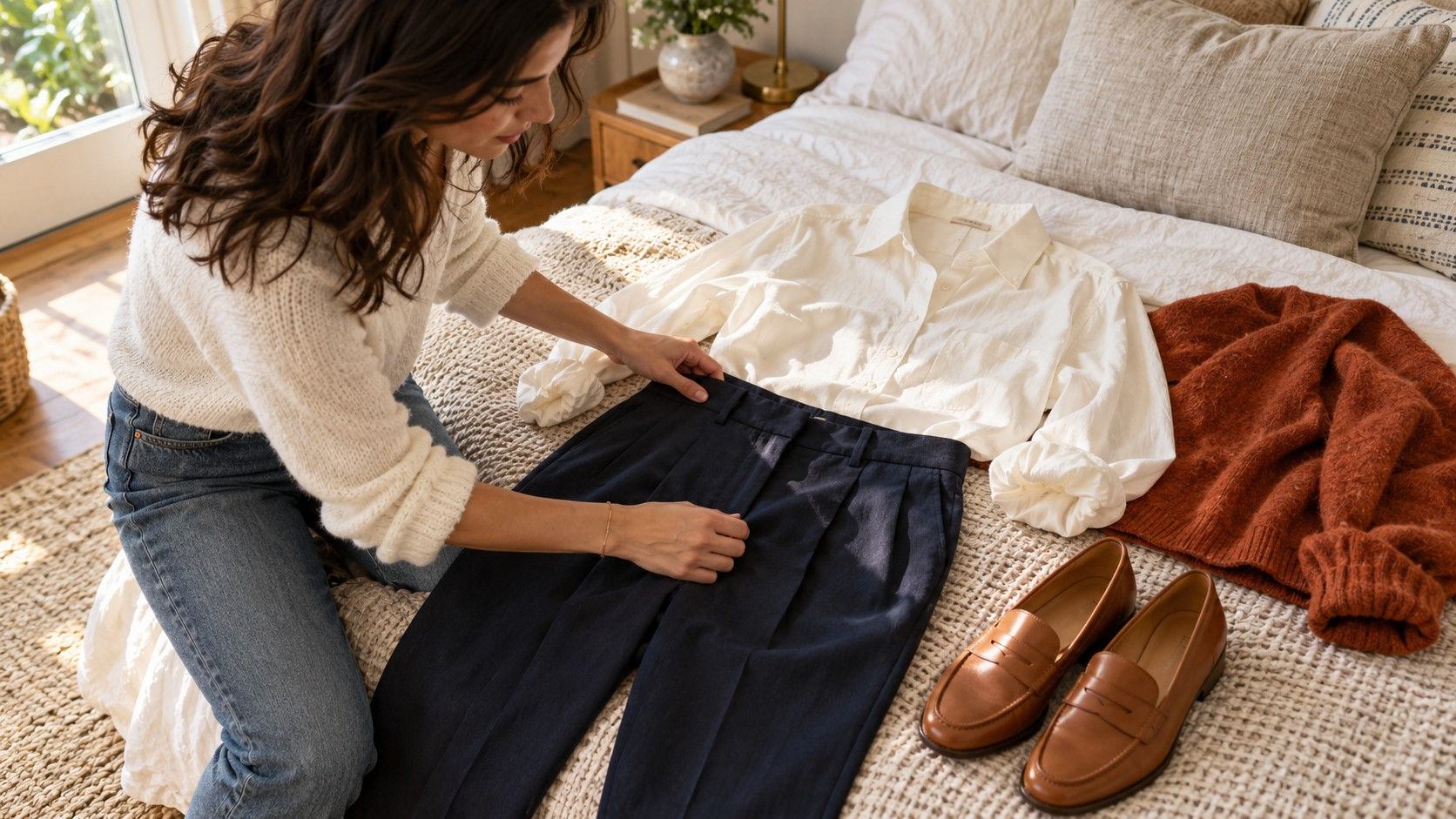
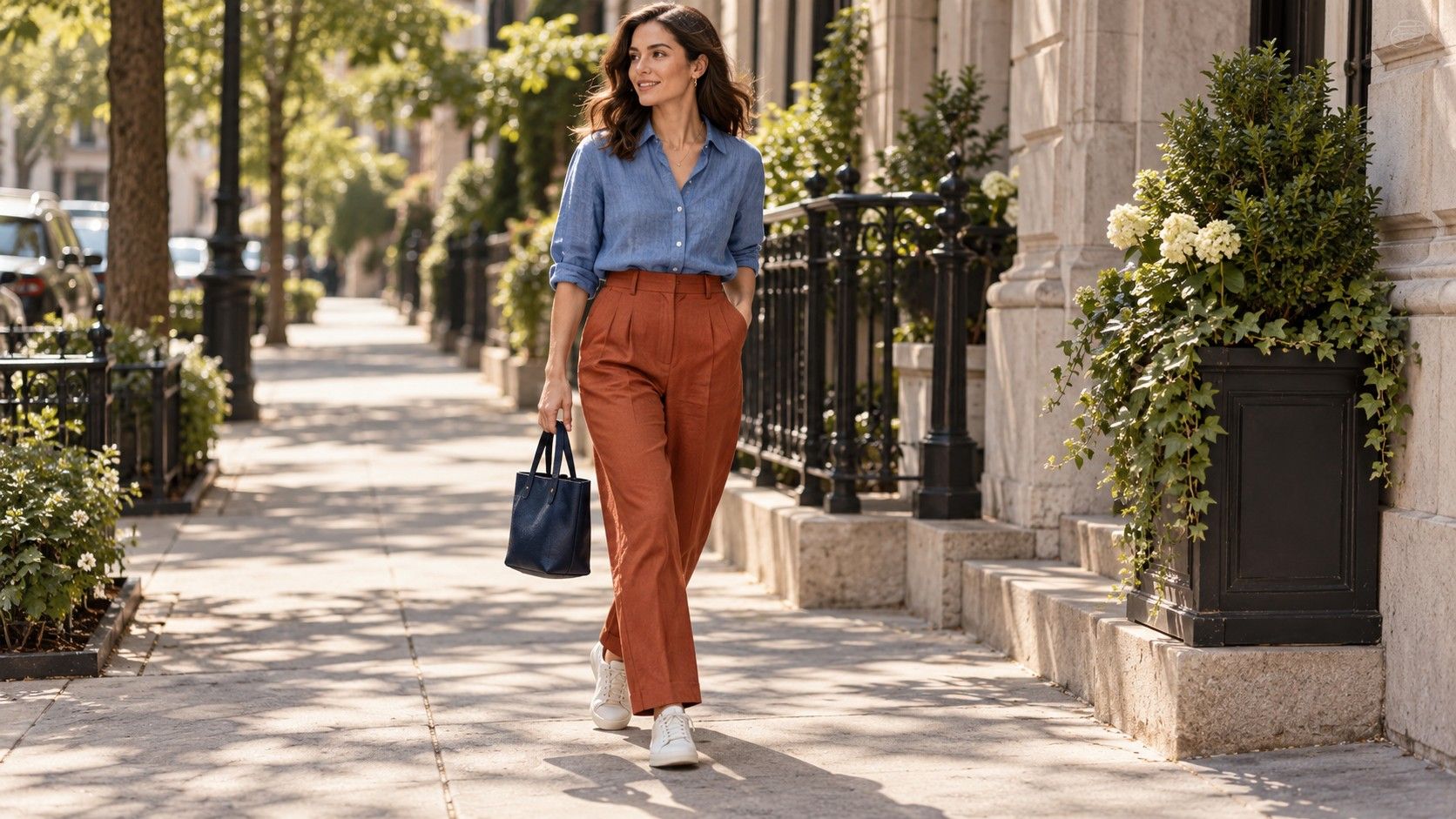
Start with your existing wardrobe. You may already have comfortable shoes, simple earrings, or a wrap that works. Try these with the dress rather than buying an entirely matching set. A navy dress can sit beside silver-toned accessories, brown shoes, or a pink bag depending on the effect you prefer. Exact matching is one option, not an obligation.
Choose which part of the outfit should lead. If the dress is bright, heavily embellished, or patterned, quieter accessories may make it easier to see the overall shape. With a plain charcoal or deep blue dress, a stronger bag or a colorful wrap can become the accent. Add items one at a time and take a full-length look before deciding you need more.
A rental, borrowed dress, or secondhand option can also belong in the comparison if it fits your plans. Check its specific condition, sizing, delivery or collection arrangements, and any return responsibilities. Do not assume it can be altered. A lower dress cost is useful only if the timing, fit, and terms work for your event.
Use the final comparison to make a decision you can keep
If you began with the search “what colour prom dress should I wear quiz,” turn it into three practical questions now: Which dress do I like in both mirror and photos? Which feels comfortable when I move? Which can I finish within my budget and schedule? A dress that answers all three has earned its place without a perfect score from a color test.
Before paying, read the specific seller's return or exchange conditions. Check whether the dress is a special order, final sale, altered, personalized, or subject to tag requirements. Confirm the return deadline and method, then allow time for delivery, another fitting, and any agreed alteration. Save the order details and the terms that apply to your purchase.
At home, do one full outfit rehearsal while returns are still possible. Put on the planned underlayers and shoes, check the wrap or jacket, and make sure the bag holds what you need. Look at the color in the mirror without a filter and under ordinary room lighting. If everything works, stop comparing it with every new dress that appears in your feed. You have an outfit ready for the evening.