Cream and camel can make getting dressed feel straightforward until you put two almost-matching shades together. One cream looks yellow, another looks pink, and the tan shoes introduce a third direction. Warm color outfits work more easily when you compare real clothes, choose a clear base, and let brighter colors occupy a deliberate place. You can build a useful combination around a familiar coat or pair of trousers without turning the whole wardrobe beige.
Make cream or camel the starting point, rather than matching everything
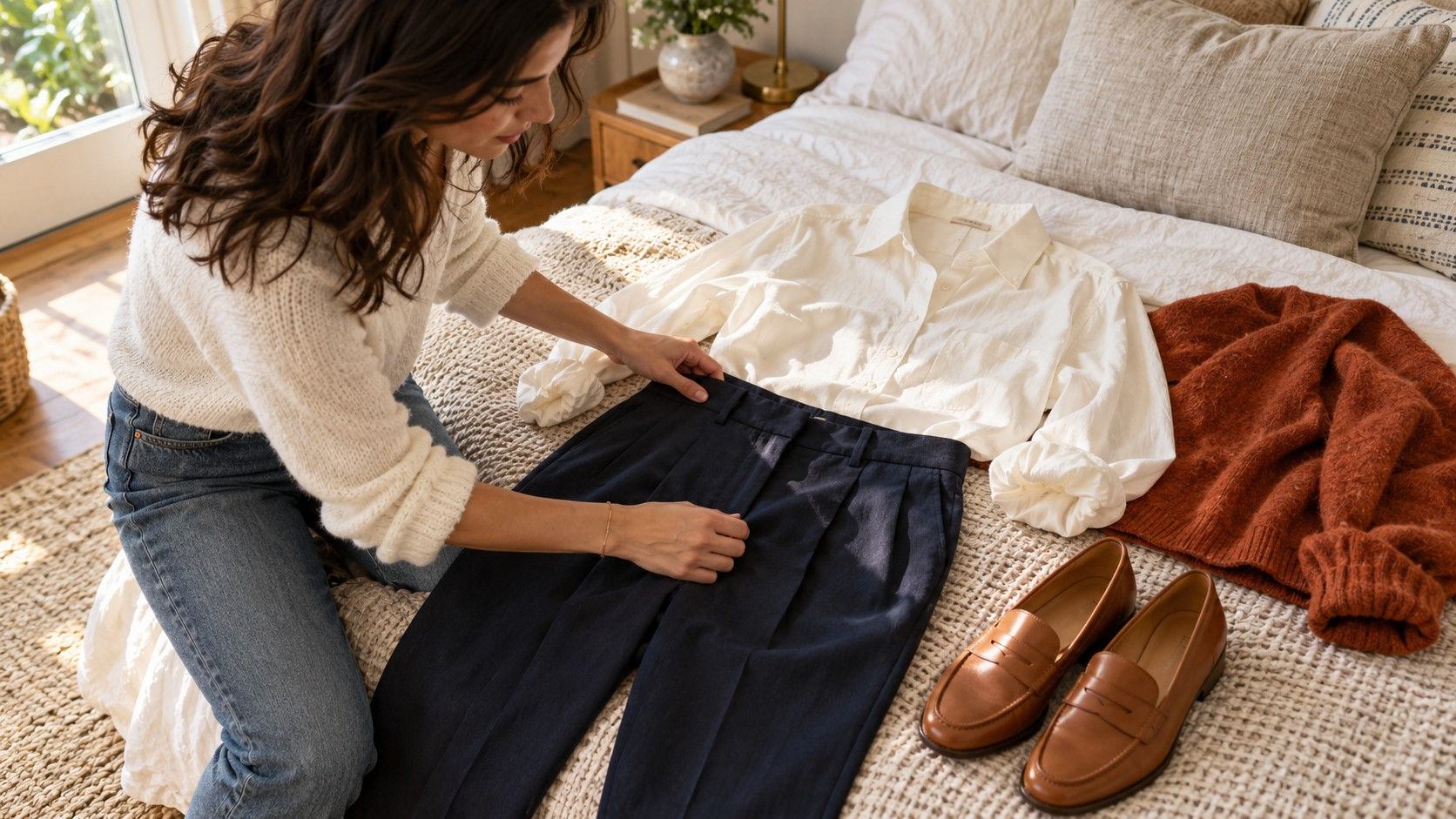
Warm neutrals often include cream, ivory, camel, tan, and some browns. These names describe broad families, not consistent formulas. A camel coat may lean golden, reddish, or slightly green; an ivory shirt may be only a little warmer than white. Lay the pieces next to one another before assuming that their labels mean they belong together.
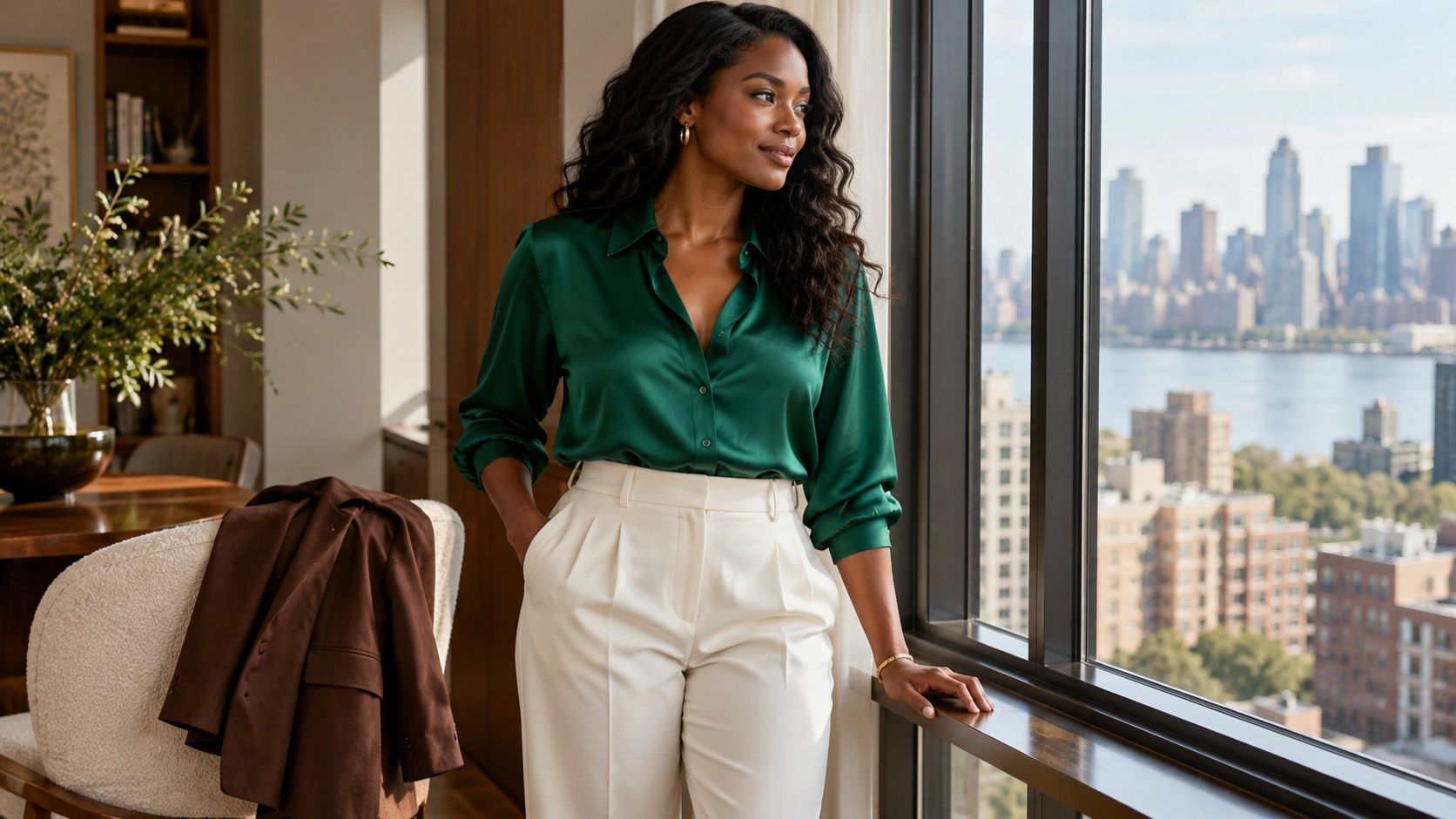
Choose the item that occupies the most space or has to suit the day. For a commute, that might be a camel coat worn over most of the outfit. For a warm afternoon, it could be cream trousers. Keep the practical shoes in view. A coat, trousers, and shoes that work together give you a base for several tops, while an attractive top that needs new shoes and a new jacket creates more work.
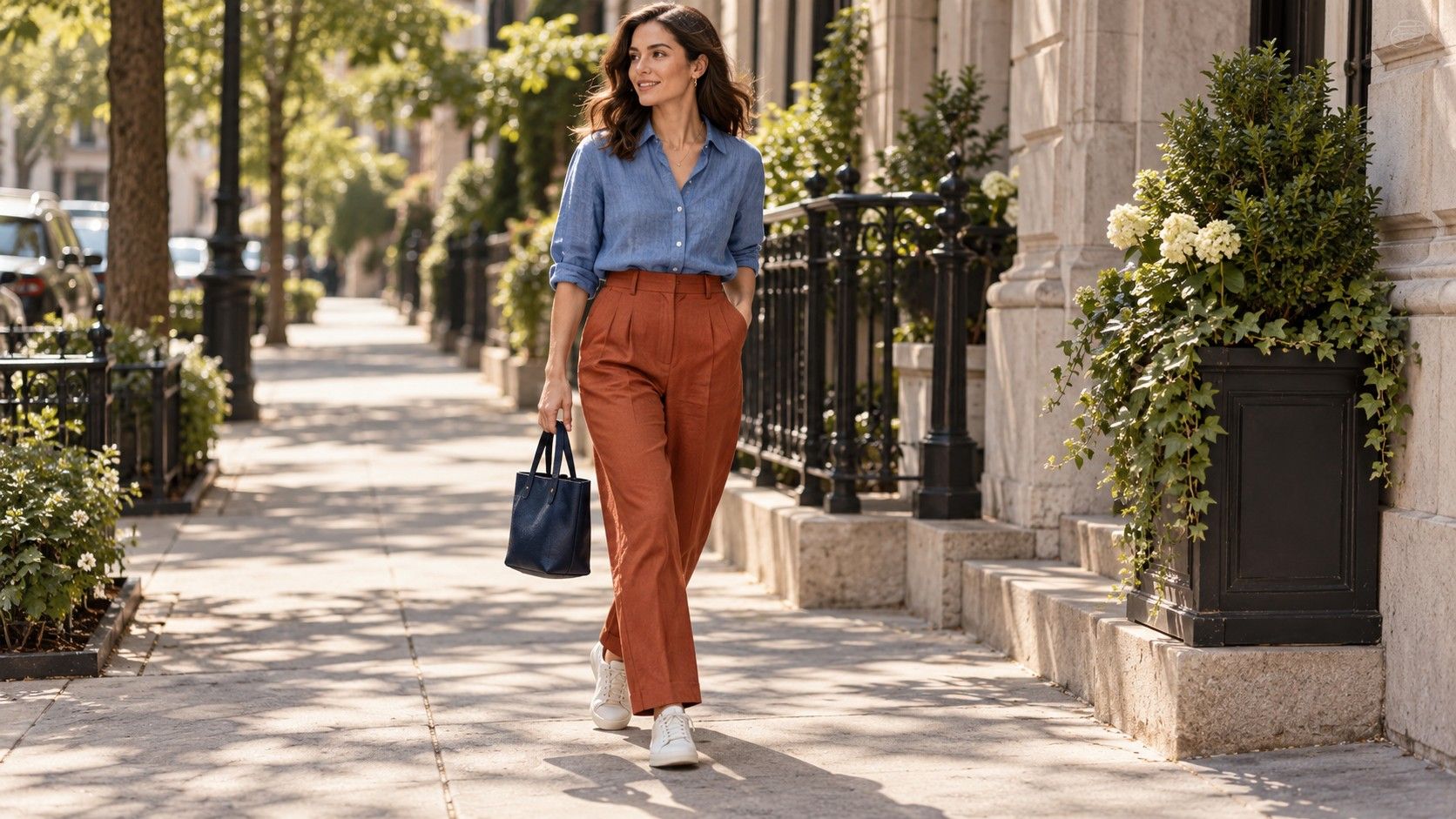
When browsing warm color palette clothes, look for usable relationships rather than identical warmth throughout. Cream trousers with a camel knit are one possibility; cream trousers with a blue shirt and tan sandals are another. Warm colors can sit beside cooler ones. You do not need a warm skin undertone, a particular seasonal label, or a rule based on appearance to enjoy the combination.
Compare the pale shades before wearing them together
For an outfit built around cream, start beside a window in indirect daylight. Put the actual top over the trousers rather than holding two small corners together. Similar pale colors can look intentionally layered when their surfaces differ, but a slight mismatch may bother you if you expected a uniform set. Decide which effect you want before trying to correct the clothes.
If the shades are close but awkward, make the difference clearer. Pair ivory trousers with a deeper camel shirt instead of a nearly matching cream one. Or introduce texture: an oatmeal knit against smooth cream denim has a visible distinction beyond color. A belt can mark the boundary, though it adds another line across the outfit, which you may or may not want.
Check opacity at the same time. Pale trousers can reveal pocket bags or underwear in bright light even if they appeared opaque in a shop. Move, sit, and look from the side. Choose underlayers that are discreet against your own skin where needed, and consider whether a longer top or different fabric makes the garment easier to wear. A successful color pairing still has to function in daylight.
Then test the outfit under normal indoor light. Cream can appear more yellow beneath a warm bulb, while a nearby blue wall may cast a cooler reflection. Use daylight as a useful reference and the actual setting as the final check.
Add orange-red, coral, or mustard in a controlled area
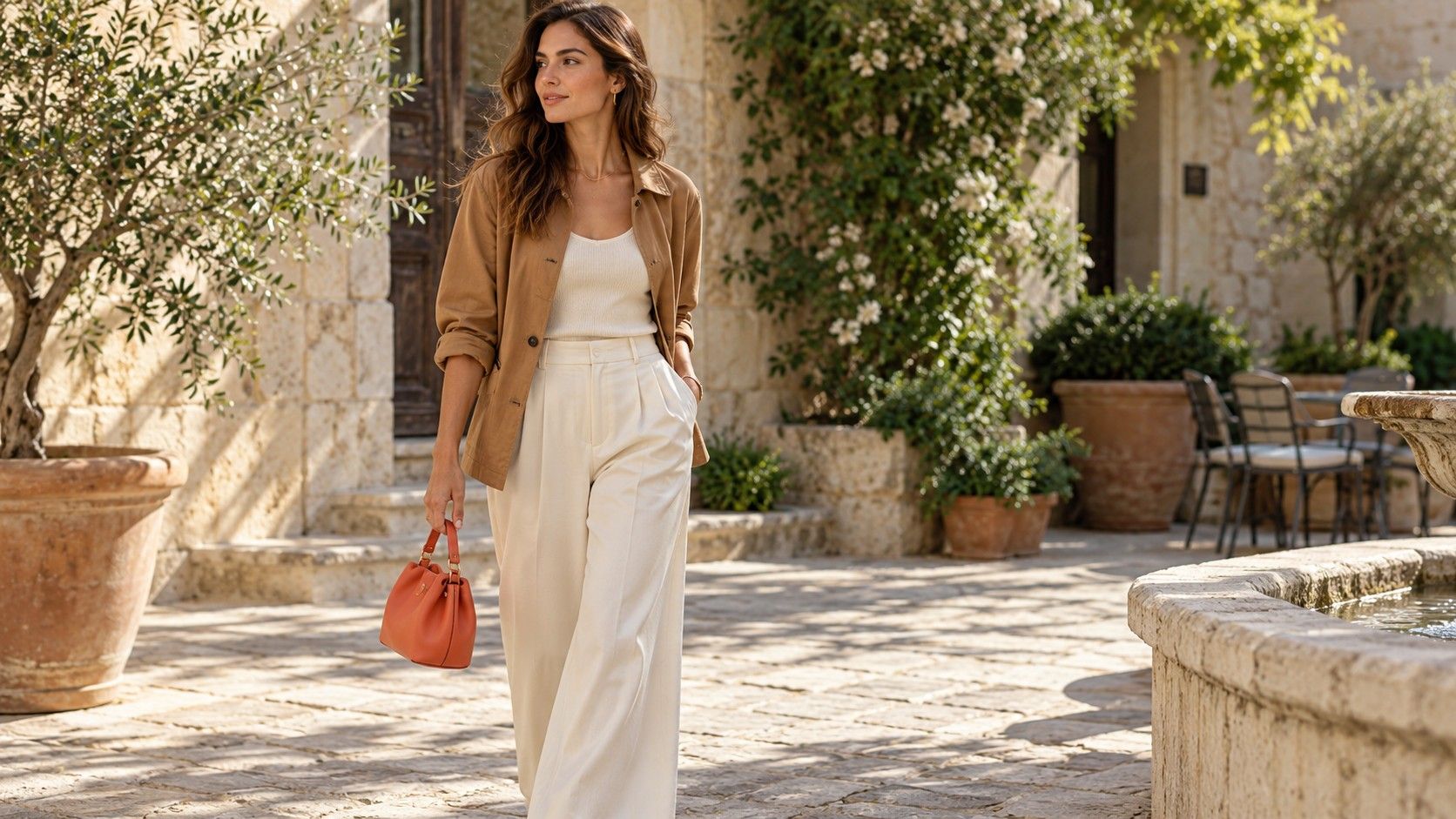
Once the neutral base works, choose one brighter accent. An orange-red knit under a camel coat creates a clear focal area around the upper body. A coral bag with cream trousers and a tan shirt introduces less color overall. The decision is about how visible you want the accent to be, not a prescribed percentage that every outfit must follow.
Compare bright and muted versions if the first attempt feels too strong. Rust can offer the warmth of orange with a darker, quieter effect. Muted coral can be easier to repeat than a very clear fluorescent shade. If you love the brightest version, keep it and simplify the surroundings. A cream shirt, camel trousers, and vivid orange shoes already make a complete combination without a matching scarf.
Mustard can sit comfortably beside tan and brown, but nearby yellow tones may also blend more than you expect. Try a mustard top with dark brown trousers for a clearer difference, then add a cream jacket if the outfit feels too dark. With pale camel trousers, a deeper mustard knit may provide enough separation. The exact fabrics matter more than the color names.
Place the accent where you enjoy seeing it. A vivid scarf frames the face; shoes draw attention lower down; a bag can sit beside the coat or across the body depending on its strap. Try the bag on rather than judging it in your hand. A crossbody strap can cut through a large pale area and alter the balance of an otherwise simple outfit.
| Warm neutral base | Brighter addition | Adjustment if it feels busy |
|---|---|---|
| Cream shirt and camel trousers | Orange-red bag | Use plain brown shoes |
| Tan skirt and ivory knit | Coral cardigan | Leave jewelry simple |
| Dark brown trousers | Mustard top | Add a cream layer for lightness |
| Camel coat over denim | Rust scarf | Choose a plain top underneath |
Keep the blue jeans and black shoes you already use
A warm palette need not push familiar cool colors out of the wardrobe. Blue denim offers a practical contrast with cream and camel. Try medium blue jeans, an ivory shirt, and a tan jacket for a relaxed day. A dark indigo wash creates a deeper outline, while faded denim looks lighter and often more casual. Check the fit and condition of the jeans as well as their wash.
Black shoes can provide a useful firm edge. With cream trousers and a camel coat, they will be more noticeable than pale tan shoes. Repeat a small dark detail in a belt, glasses, or bag if you want a connection, but avoid adding black pieces solely from obligation. Sometimes a single dark pair of boots feels grounded enough on its own.
Mixed undertones are common in real wardrobes. A blue-gray shirt beneath a camel jacket creates a different relationship from an ivory shirt, and both can be appealing. If the contrast feels abrupt, try a softer blue or a more subdued camel. The useful question is whether you like the transition and can wear the pieces comfortably, not whether every item passes a warm-color test.
A print can connect these families without an exact match. A small scarf with cream, blue, and rust can bring denim and a tan jacket together. Check it from several steps away: a pattern may read mostly blue once its small warm details blend.
Use texture and depth when the outfit looks flat
Head-to-toe pale warm colors can look calm, but similar depths and smooth fabrics sometimes leave an outfit feeling unfinished. Change one surface before adding more color. A ribbed cream knit with smooth camel trousers gives a clearer distinction than two thin, flat fabrics. Suede, brushed wool, denim, and woven linen each change how a warm neutral catches the light.
For a work outfit, structure may matter more than an additional accent. An ivory shirt tucked into camel trousers makes a defined waist; a long untucked knit softens that boundary. Try the jacket open and closed. Its lapels, hem, and sleeve length determine how much of the light shirt remains visible. A combination that feels balanced indoors may look different with the coat fastened outside.
Depth can help too. Add chocolate shoes or a dark brown bag to cream and tan when you want stronger edges. For a gentler effect, compare a medium brown instead. Neither is inherently more flattering. A small adjustment in depth can solve a vague sense that everything merges without forcing you to buy a bright accessory you would seldom use.
Metal finishes are another optional detail. Gold-tone jewelry may echo the warmth of camel; silver-tone pieces can create a cooler point of contrast. Try both with the neckline you will wear and keep your preference. Mixed metals can work if you enjoy them.
Make the warm palette useful through an ordinary week
Build three complete outfits from the pieces that passed the comparison. Cream trousers might work with a camel knit and brown shoes, an ivory shirt with a coral cardigan, or a blue shirt and tan jacket. Include the bag, outer layer, and suitable footwear each time. This exposes the real gaps, such as a missing comfortable shoe, before another attractive top distracts you.
Think about upkeep as part of the choice. Pale cuffs and trouser hems can show marks quickly during a commute or a day with children. Check the care label and consider whether you will actually wash or clean the piece as required. A deeper camel trouser may be a more useful frequent-wear option than cream, even if you prefer cream for occasional outings.
Keep a small record of combinations using exact garments: “cream jeans, rust knit, tan boots” is more useful than “warm neutrals.” Before buying a new accent, name two outfits it can join. Start by changing a shirt, scarf, or bag that you will use often. A warm wardrobe becomes easier when cream and camel provide familiar anchors and the brighter details reflect what you actually like wearing.